Feel It, Don’t Just Hear It: Why the Future Belongs to Immersive Performance
For decades, live concerts followed a familiar formula: artists performed on stage while audiences watched, listened, and applauded. Although unforgettable moments were created in these settings, modern audiences increasingly expect something more than great sound. They want experiences that engage every sense, create emotional connections, and make them feel like active participants rather than passive spectators.
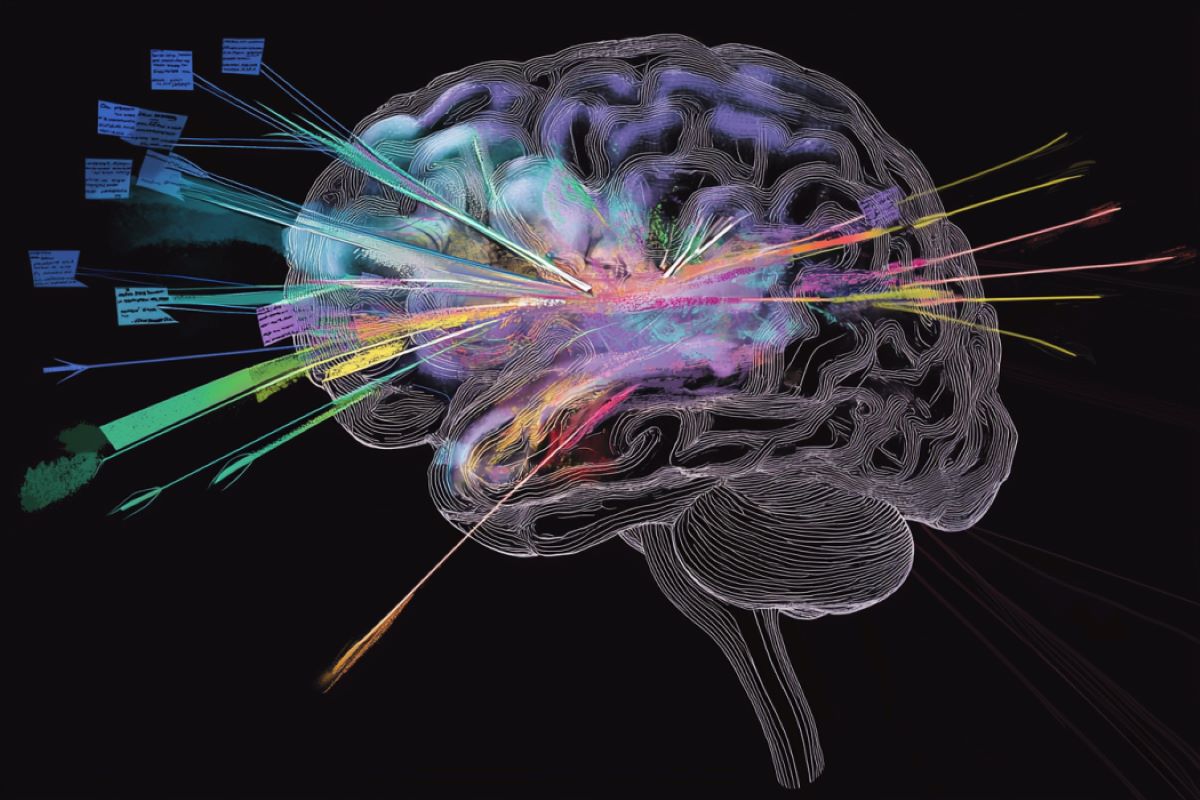
This shift has given rise to immersive performance—a new generation of live experiences where music, lighting, visuals, technology, and audience interaction work together to create a unified artistic journey. The future of performance is no longer just about what people hear. It is about what they feel.
The Evolution of Live Entertainment
The expectations of concertgoers have changed dramatically in the digital era.
Streaming services have made music available anywhere and at any time. Because listeners can already enjoy perfect studio recordings at home, live performances must offer something that cannot be replicated through headphones.
Today’s audiences seek:
- Emotional engagement
- Visual storytelling
- Interactive experiences
- Personalized moments
- Memorable environments
- Multi-sensory performances
A successful concert is no longer simply a performance—it is an experience.
What Makes a Performance Immersive?
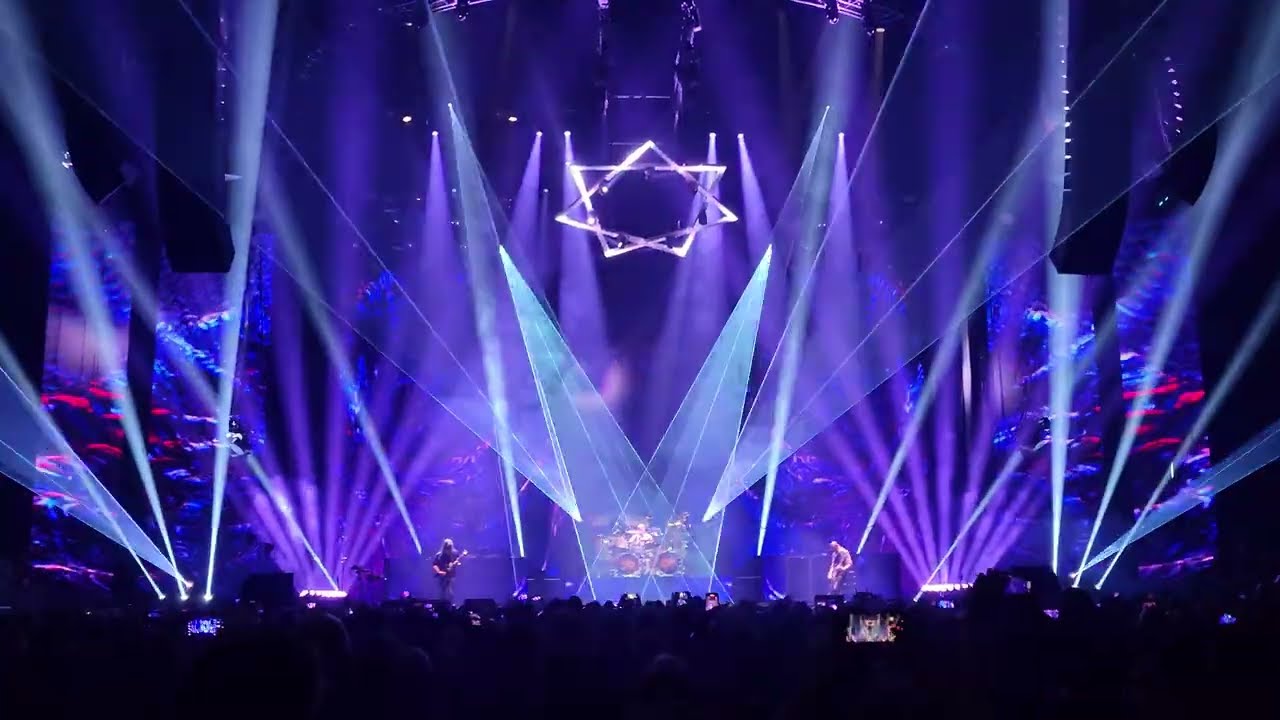
Immersive performances combine multiple creative disciplines into one synchronized production.
These may include:
- Live music
- Dynamic lighting
- Projection mapping
- LED visuals
- Motion graphics
- Interactive stage design
- Real-time audience participation
- Spatial audio
Instead of existing independently, every element responds to the music and enhances the emotional impact of the performance.
The Audience Becomes Part of the Show
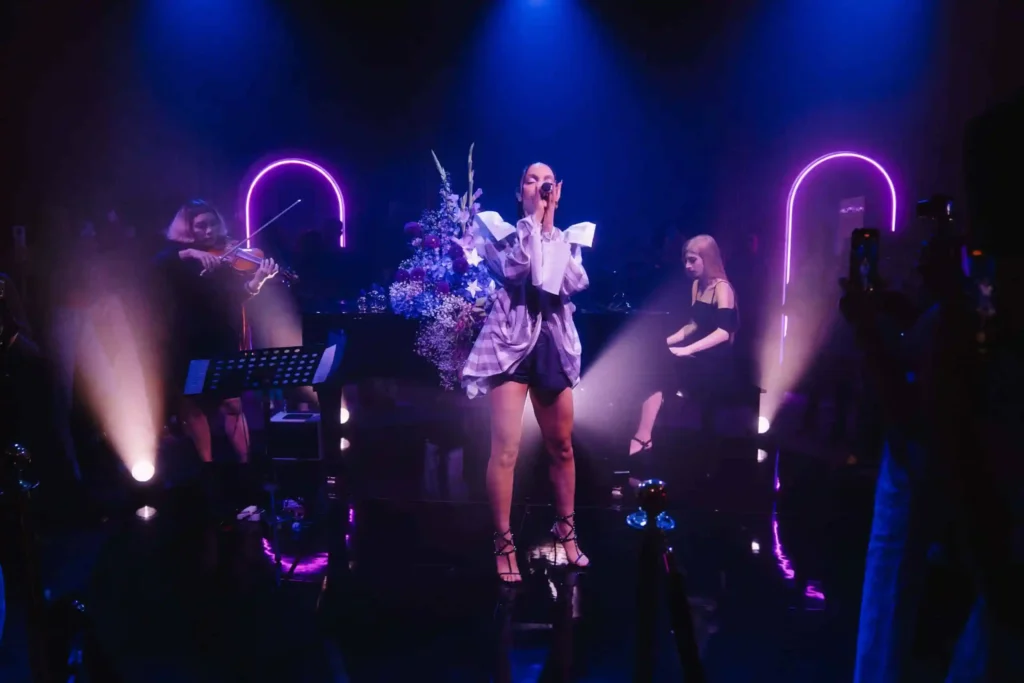
One of the defining characteristics of immersive performance is participation.
Rather than observing from a distance, audiences increasingly influence what happens during the show.
Examples include:
- Interactive lighting controlled by audience movement
- Mobile applications synchronized with performances
- Motion-sensitive installations
- Real-time visual reactions
- Collaborative sound experiences
- Live voting that changes the performance
This level of interaction transforms concerts into shared creative experiences.
Technology Is Expanding Artistic Possibilities
Advances in digital technology have opened entirely new opportunities for performers.
Modern productions can synchronize music with:
- Intelligent lighting systems
- Laser shows
- Visual effects
- LED walls
- Interactive projections
- Motion capture
- Augmented reality experiences
When these technologies operate together, performances become immersive narratives rather than isolated musical events.
Why Synchronization Matters
Creating a seamless immersive show requires precise communication between multiple systems.
Every lighting cue, visual animation, and stage effect must align perfectly with the music.
This synchronization creates emotional moments that feel effortless to the audience but rely on sophisticated technology behind the scenes.
A single musical transition can trigger:
- Color changes
- Video sequences
- Lighting movements
- Environmental effects
- Interactive audience responses
The result is a cohesive artistic experience where every element supports the story being told.
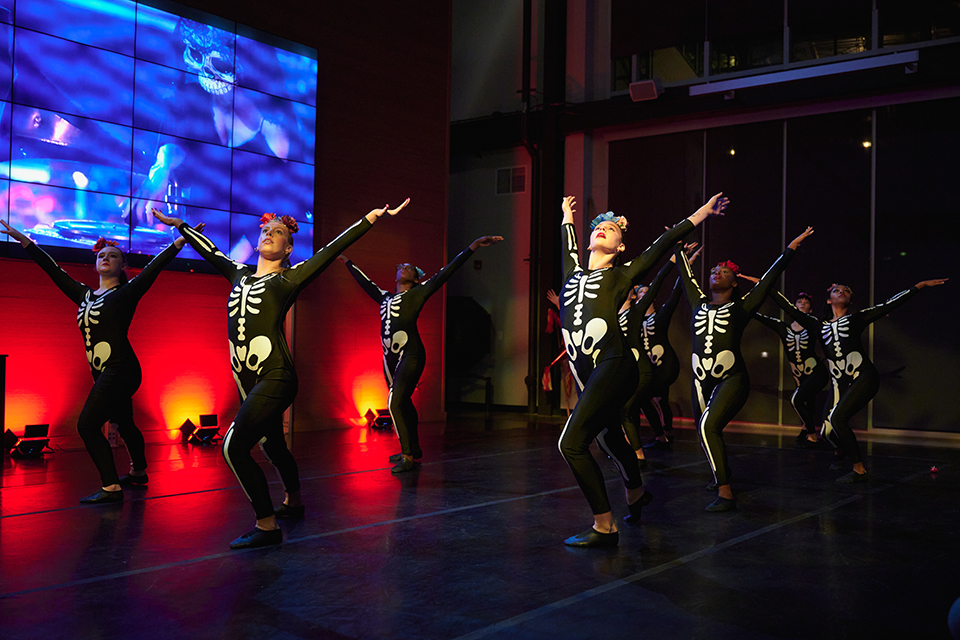
Music Is Becoming a Visual Language
Artists increasingly think about music as something audiences both hear and see.
Visual design now plays a significant role in live performances.
Color palettes, animation styles, typography, and stage architecture all contribute to the emotional atmosphere.
Rather than serving as decoration, visuals become another musical instrument.
Together, sound and imagery communicate ideas that neither could express alone.
The Rise of Cross-Disciplinary Creativity
Modern performances often involve teams of specialists working together.
A single immersive production may include:
- Musicians
- Sound designers
- Lighting programmers
- Visual artists
- Motion designers
- Software developers
- Stage engineers
- Creative directors
Collaboration across disciplines enables performances that would have been impossible only a decade ago.
Immersive Experiences Extend Beyond the Stage
The principles of immersive performance are expanding into many industries.
They now appear in:
- Museums
- Brand activations
- Art exhibitions
- Festivals
- Theme parks
- Educational experiences
- Corporate events
- Virtual concerts
Music increasingly serves as the emotional foundation for interactive storytelling across diverse environments.
Technology Should Support Creativity
The success of an immersive performance depends on technology that is reliable, flexible, and easy to integrate.
Artists need tools that allow them to synchronize multiple creative systems without interrupting the flow of performance.
The best technology operates invisibly, enabling performers to concentrate on artistic expression rather than technical complexity.
When creative tools communicate seamlessly, the audience experiences a performance that feels natural, dynamic, and unforgettable.
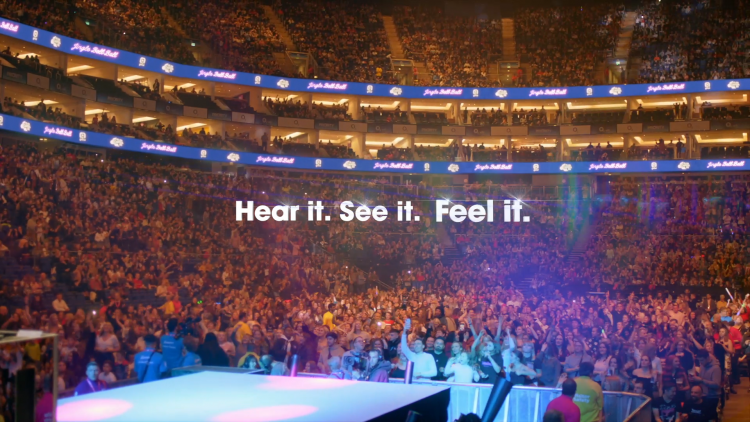
The Future of Live Performance Is Connected
As audiences continue to seek deeper emotional engagement, immersive performance will become the new standard for concerts and live events.
Music will no longer exist in isolation.
It will interact with light, movement, architecture, digital environments, and audience participation to create experiences that are impossible to reproduce through traditional media.
The future belongs to artists who think beyond sound and embrace the full creative potential of immersive technology.
Built for Complete Creative Synchronization
Our platform is designed to become the central hub of modern live performances. With comprehensive support for MIDI, DMX, and leading visual production software, it enables seamless synchronization between music, lighting, stage effects, and visual content.
Whether you’re performing in a club, a concert hall, a festival, or an immersive installation, the system allows every musical cue to trigger precisely coordinated visual and lighting events in real time. Flexible integration options and low-latency performance ensure that complex productions remain intuitive to control and reliable on stage.
By connecting sound, light, and visual storytelling into a unified creative ecosystem, our technology helps artists move beyond traditional concerts and create immersive experiences that audiences don’t just hear—they truly feel.