The Language of Gesture: How Physical Expression Shapes the Way We Hear Music
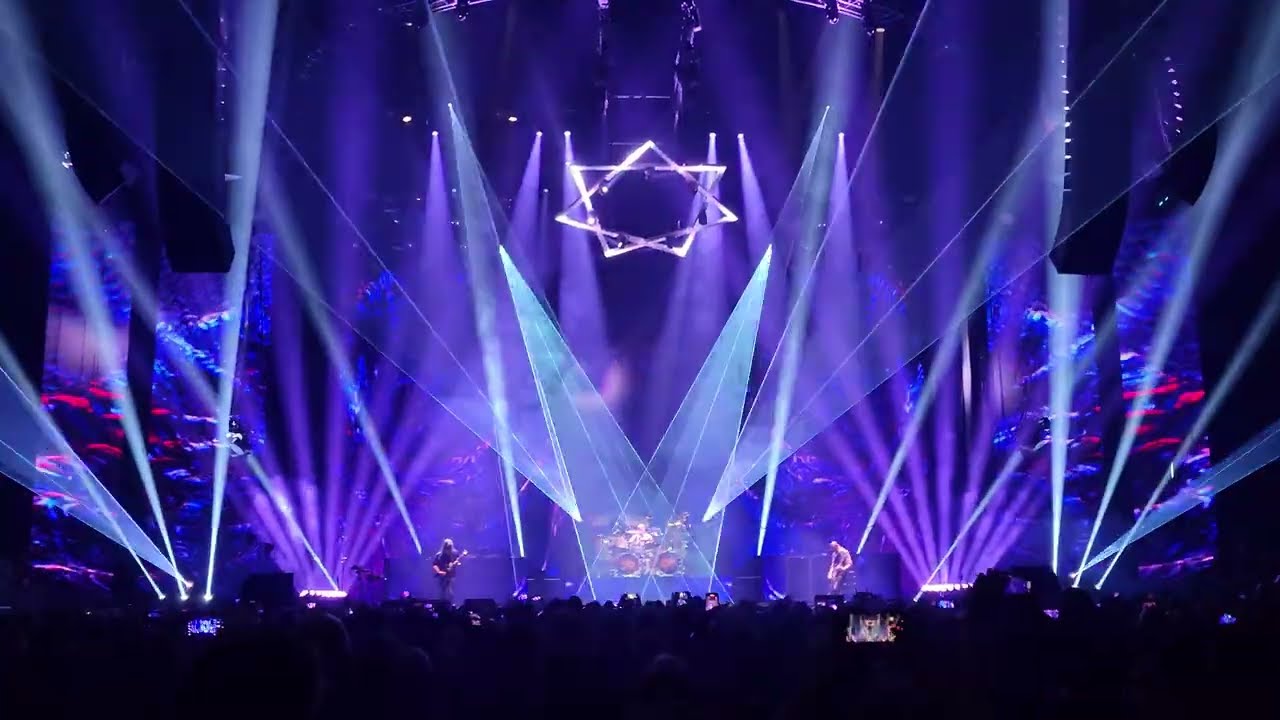
Music is often described as a universal language, but its true power extends beyond sound alone. Every performance is also a visual experience. The movement of a pianist’s hands, the subtle pressure of a guitarist’s fingers, the posture of a violinist, or the sweeping gestures of a conductor all influence how audiences perceive music.
Long before listeners analyze harmony or rhythm, they instinctively respond to human movement. Physical expression communicates emotion, intention, and energy in ways that words—and sometimes even notes—cannot. In many ways, the body becomes an extension of the instrument, transforming a sequence of sounds into a compelling artistic narrative.
Music Is Both Heard and Seen
Imagine listening to a live piano performance with your eyes closed. Now imagine watching the same performance. The notes remain identical, yet the emotional impact often feels completely different.
Why?
Because audiences naturally connect visual information with sound. Facial expressions, body posture, breathing, and hand movements provide context that shapes how music is interpreted.
Performance is not simply about producing accurate notes—it is about communicating emotion through movement.
Every Gesture Carries Meaning
Experienced musicians understand that every movement serves a purpose.
A slight hesitation before striking a key can create anticipation.
A forceful attack can communicate determination or intensity.
A relaxed hand movement may produce a softer, more intimate tone.
These subtle physical decisions influence timing, articulation, dynamics, and phrasing, creating emotional depth that cannot be fully captured by notation alone.
Touch Is the First Step in Sound Creation
Every musical note begins with a physical interaction.
Whether pressing a piano key, plucking a string, striking a drum, or triggering a digital controller, the quality of the initial gesture shapes everything that follows.
Even the smallest variations can affect:
- Volume
- Attack
- Timbre
- Sustain
- Expression
- Emotional character
Great performers develop extraordinary control over these microscopic details through years of practice and experience.
The Power of Micro-Movements
Many of the most expressive performance techniques are almost invisible.
Tiny adjustments in finger pressure, wrist rotation, or hand position can dramatically change the resulting sound.
Examples include:
- Slight variations in key velocity
- Finger pressure after a note is triggered
- Gentle modulation gestures
- Controlled vibrato
- Natural rhythmic fluctuations
These micro-movements are difficult to describe but immediately recognizable to listeners.
They are often what separate technically correct performances from emotionally unforgettable ones.
The Psychology of Performance
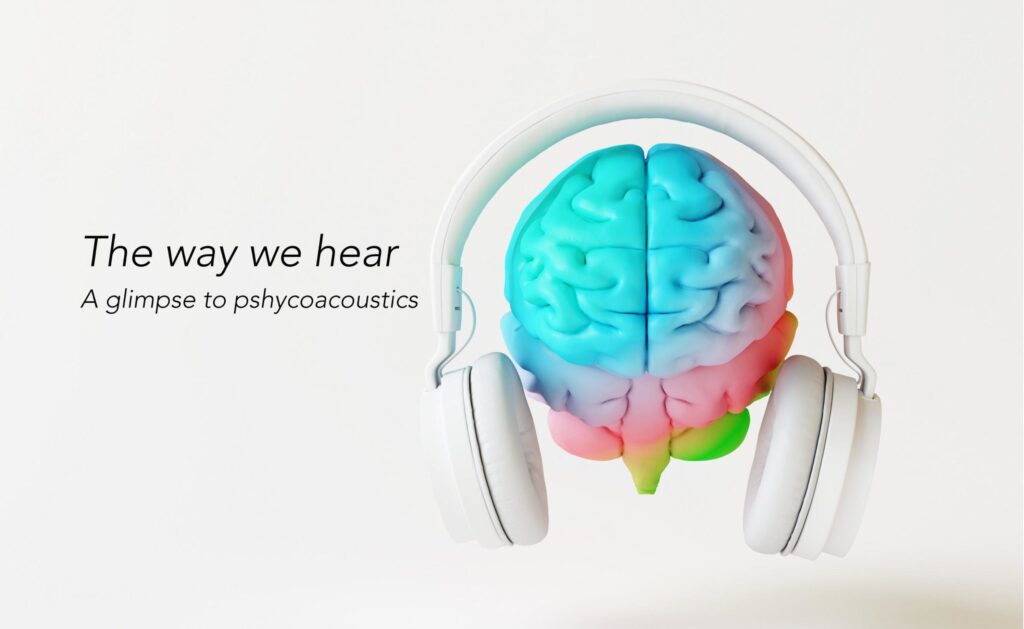
Research has shown that audiences do not evaluate music using sound alone.
Visual performance influences perceptions of:
- Musical quality
- Emotional intensity
- Technical skill
- Confidence
- Artistic authenticity
A performer who fully embodies the music often creates a stronger emotional connection than one who remains physically restrained.
Movement helps audiences understand the intention behind every phrase.
Why Digital Instruments Must Feel Natural
As electronic instruments become increasingly sophisticated, musicians expect them to respond as naturally as traditional acoustic instruments.
An expressive controller should capture more than simple note on/off messages.
It should accurately translate:
- Finger pressure
- Playing velocity
- Continuous movement
- Dynamic gestures
- Performance nuances
The more faithfully an instrument responds to physical expression, the more naturally creativity can flow.
Technology Should Capture Emotion—Not Limit It
The best music technology disappears during performance.
Rather than forcing artists to adapt to rigid interfaces, modern instruments should respond intuitively to the performer’s intentions.
Low latency, high sensitivity, and precise control allow musicians to remain focused on expression rather than operation.
Technology becomes a transparent medium between imagination and sound.
Expressive Performance Is Becoming More Important
Modern audiences increasingly value authenticity.
In an era where software can perfectly quantize timing and correct every vocal pitch, genuine human performance stands out more than ever.
Listeners connect with:
- Imperfection
- Spontaneity
- Emotional risk
- Physical energy
- Personal interpretation
These qualities cannot be programmed—they emerge naturally through human interaction with an instrument.
The Future of Performance Is Human-Centered
As artificial intelligence and automation continue to reshape music production, live performance remains uniquely human.
Technology will undoubtedly continue to assist musicians by simplifying workflows and expanding creative possibilities.
However, the expressive gestures that define great performances will remain irreplaceable.
The future belongs to tools that enhance human creativity rather than replace it.
The instrument should never become a barrier between the artist and the audience.
It should become an extension of the artist’s body.
Designed to Capture Every Nuance of Performance
Our technology is built around the belief that every gesture matters. High-sensitivity sensors and an ultra-responsive performance interface are designed to detect even the smallest variations in touch, pressure, and movement, translating them into expressive musical detail.
Whether performing delicate passages or energetic live sets, musicians can rely on exceptional responsiveness that preserves the natural connection between their hands and the sound they create. Every interaction is captured with precision, allowing subtle expressive choices to remain intact throughout the performance.
By combining advanced sensing technology with an intuitive playing experience, our platform empowers artists to communicate not just notes, but emotion—turning every performance into a richer, more personal artistic expression.