When an Instrument Becomes an Extension of the Body: Stories of Musical Synesthesia and Human Connection
The relationship between a musician and an instrument goes far beyond technique. At the highest level of performance, the instrument no longer feels like an external object—it becomes an extension of the body, responding almost instinctively to every movement, gesture, and emotion.
This deep physical connection has inspired inventors, composers, and performers for generations. From groundbreaking electronic instruments of the 20th century to today’s expressive digital controllers, innovators have continuously searched for more natural ways to transform human movement into sound.
The future of music lies not only in better technology but in creating instruments that disappear into the creative process, allowing artists to focus entirely on expression.
More Than a Tool
For beginners, an instrument often feels mechanical. Every note requires conscious thought, and every movement demands attention.
Over time, however, something remarkable happens.
With practice, the musician no longer thinks about pressing keys, moving fingers, or adjusting controls. Instead, attention shifts entirely to musical ideas and emotional communication.
At this point, the instrument becomes part of the performer rather than something separate.
This transformation is at the heart of every great musical performance.
The Visionaries Who Redefined Musical Interaction
Throughout history, many innovators have challenged traditional ideas of how music should be performed.
One of the earliest and most iconic examples is the Theremin, invented in the 1920s by Russian physicist Léon Theremin. Unlike conventional instruments, the Theremin allowed musicians to control pitch and volume without making physical contact. Hand movements through electromagnetic fields became the performance itself, creating an entirely new relationship between gesture and sound.
Later generations expanded this philosophy through:
- Touch-sensitive synthesizers
- Ribbon controllers
- Pressure-sensitive keyboards
- Motion sensors
- MPE (MIDI Polyphonic Expression) controllers
- Wearable musical devices
Each innovation brought technology closer to the natural movements of the human body.
Why Touch Matters
Musicians often describe certain instruments as “alive.”
This feeling comes from immediate physical feedback.
A slight increase in finger pressure.
A subtle wrist movement.
A tiny variation in timing.
Each action produces a unique musical response.
The more accurately an instrument captures these nuances, the stronger the emotional connection between performer and audience becomes.
Touch is not simply a method of triggering sound—it is part of the music itself.
The Science Behind Musical Embodiment
Neuroscientists have long studied how musicians interact with their instruments.
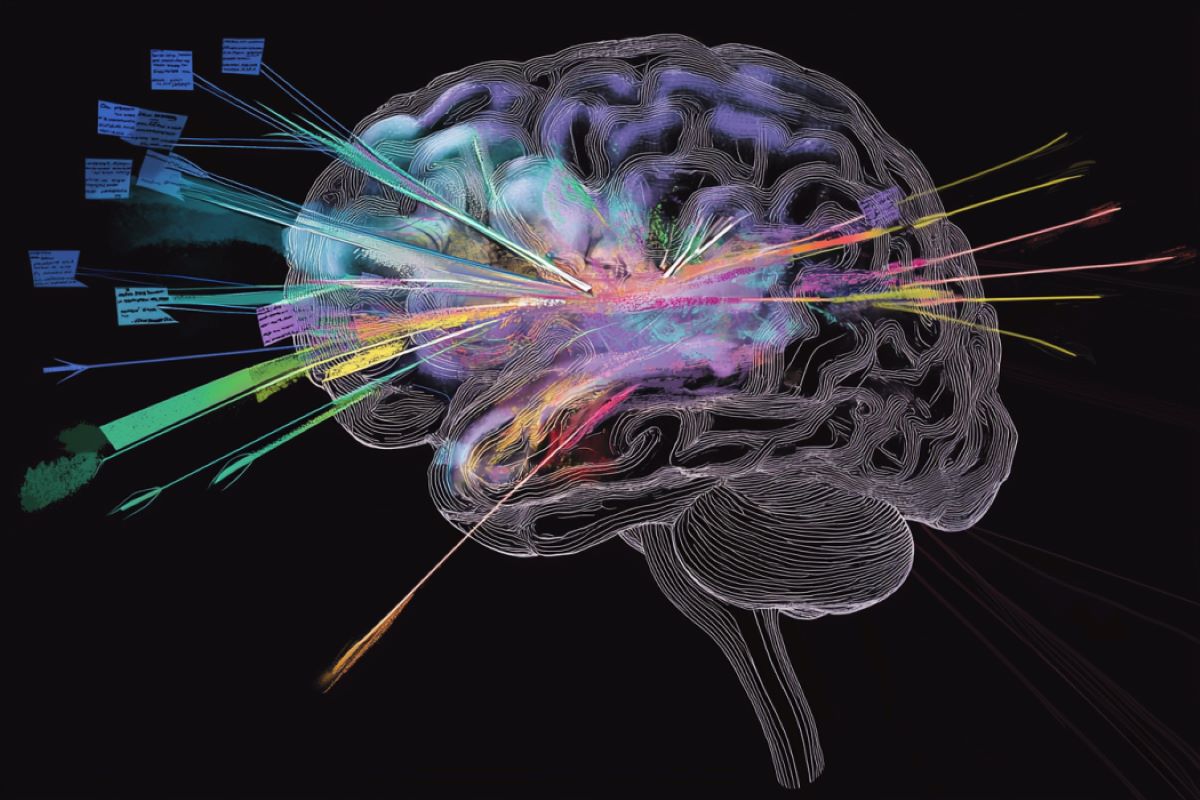
Years of practice allow the brain to integrate an instrument into its internal representation of the body, similar to how athletes develop instinctive control over sports equipment.
Eventually, musicians stop thinking about mechanical actions.
Instead, they imagine musical ideas, and their hands respond almost automatically.
This phenomenon explains why experienced performers often describe entering a state of complete creative flow.
Digital Instruments Have Changed the Conversation
Early electronic instruments sometimes felt disconnected from physical performance.
Buttons replaced keys.
Menus replaced gestures.
Mouse clicks replaced tactile interaction.
Modern technology has reversed this trend.
Today’s advanced controllers prioritize:
- Responsive touch
- High-resolution sensitivity
- Low latency
- Gesture recognition
- Natural ergonomics
- Multi-dimensional expression
The goal is no longer simply producing sound—it is preserving the physical relationship between artist and instrument.
Ergonomics Inspire Creativity
Comfort directly affects creativity.
An awkward interface interrupts concentration.
Poorly positioned controls slow down performance.
Unnatural gestures reduce expressive freedom.
The best instruments disappear into the hands of the performer, allowing creativity to flow without distraction.
Good ergonomic design reduces fatigue during long studio sessions while making live performances feel effortless.
Technology Should Adapt to the Musician
For decades, musicians adapted themselves to technology.
Today’s philosophy is the opposite.
Technology should adapt to the artist.
Customizable interfaces, programmable controls, and flexible workflows allow every performer to create a personal playing experience.
This adaptability encourages experimentation while respecting individual creative styles.
No two musicians express themselves in exactly the same way.
Their instruments shouldn’t force them to.
The Emotional Bond Between Artist and Instrument
Ask experienced musicians why they continue using a favorite instrument despite newer alternatives, and the answer rarely focuses on specifications.
Instead, they speak about:
- Familiarity
- Trust
- Comfort
- Inspiration
- Confidence
The strongest creative tools become companions throughout an artist’s journey.
Their value lies not only in technical performance but in the emotional relationship they help build.
The Future Is Human-Centered Design
As artificial intelligence and automation continue transforming music production, one principle remains unchanged:
The most meaningful performances begin with human expression.
The instruments of tomorrow will not compete with musicians.
They will become increasingly transparent, intuitive, and responsive—capturing every nuance while allowing artists to focus entirely on creativity.
Technology succeeds when it becomes invisible.
When the performer no longer notices the interface, only the music remains.
Designed to Feel Like a Natural Extension of You
Our platform is built around ergonomics, responsiveness, and intuitive interaction. Every control, surface, and performance element has been designed to feel natural from the very first session, reducing the learning curve and allowing musicians to focus on expression instead of operation.
Advanced touch sensitivity, customizable layouts, and an intuitive interface adapt to individual playing styles, creating a seamless connection between movement and sound. Whether in the studio or on stage, the system responds with precision and consistency, making every performance feel effortless and deeply personal.
Because the best instrument isn’t the one with the most features—it’s the one that disappears, leaving nothing between the artist and their creative vision.