Sound Design for the Metaverse and Augmented Reality: Where Will Tomorrow’s Music Be Heard?
Music has always evolved alongside technology. From vinyl records and radio broadcasts to streaming platforms and immersive live performances, every technological leap has changed not only how we listen but also how artists create and share their work.
Today, a new frontier is emerging. The rapid development of virtual reality (VR), augmented reality (AR), mixed reality (MR), and the broader concept of the metaverse is reshaping the role of sound itself. Audio is no longer confined to stereo speakers or headphones—it is becoming an interactive, spatial, and dynamic element of digital experiences.
For musicians, producers, and sound designers, this shift opens exciting creative opportunities. Tomorrow’s tracks may not simply be played—they may be explored, experienced, and interacted with.
The Evolution of Audio
Traditional music production focuses on creating a fixed listening experience. Every listener hears essentially the same mix, regardless of where or how they engage with the music.
Immersive technologies change this model.
Instead of a static recording, sound can now respond to:
- The listener’s position
- Head movement
- Physical interaction
- Environmental changes
- User decisions
- Real-time events
Music becomes a living part of the digital environment rather than just background audio.
What Is Spatial Audio?
Spatial audio recreates the way humans naturally perceive sound in the real world.
Instead of hearing instruments only from the left and right speakers, listeners experience sound coming from every direction:
- In front
- Behind
- Above
- Below
- Near
- Far away
As users move through a virtual environment, the audio changes naturally, creating a much stronger sense of presence and realism.
This technology has become one of the foundations of immersive entertainment.
Why Interactive Sound Matters
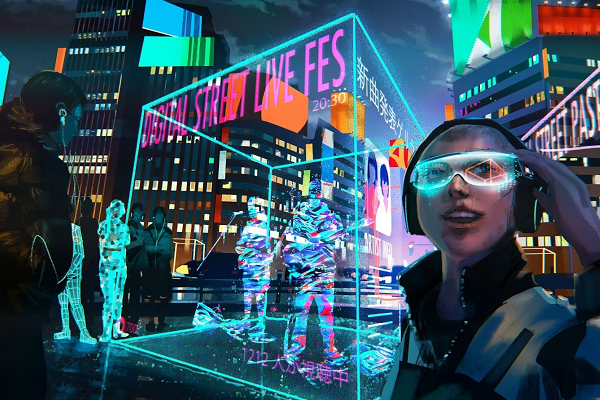
Imagine entering a virtual concert where every movement changes the music.
Walking closer to the stage increases the intensity of the instruments.
Turning your head shifts the direction of ambient effects.
Interacting with digital objects triggers new musical layers.
In immersive environments, audio is no longer passive—it reacts to the audience in real time.
This transforms listeners into active participants.
Gaming Has Become a Laboratory for the Future of Music
Many of today’s audio innovations first appeared in video games.
Modern game soundtracks already include:
- Adaptive music systems
- Interactive sound effects
- Dynamic mixing
- Procedural audio generation
- Real-time environmental acoustics
These technologies allow music to evolve continuously based on gameplay.
As virtual worlds become more sophisticated, these same techniques are expanding into concerts, education, retail, and social experiences.

Augmented Reality Brings Music into the Real World
Unlike virtual reality, augmented reality combines digital content with physical surroundings.
Imagine:
- Interactive museum exhibitions
- Live performances enhanced with digital sound layers
- Public art installations that react to visitors
- Location-based musical experiences
- AR-guided concerts with personalized audio
Instead of replacing reality, AR enhances it through contextual sound design.
The Rise of Immersive Performances
Artists are increasingly designing performances that combine multiple creative disciplines.
Modern immersive shows often integrate:
- Spatial audio
- Projection mapping
- Interactive lighting
- Motion tracking
- Virtual environments
- Audience participation
Music becomes only one component of a much larger sensory experience.
This multidisciplinary approach is changing audience expectations for live entertainment.
New Skills for Tomorrow’s Sound Designers
Creating immersive audio requires more than traditional mixing techniques.
Future sound designers will increasingly work with:
- 3D audio positioning
- Ambisonics
- Object-based audio
- Interactive audio engines
- Game development platforms
- Motion-responsive sound systems
- Real-time rendering technologies
Understanding these tools will become an important advantage as immersive media continues to expand.
Collaboration Across Creative Industries
Immersive projects bring together professionals from multiple disciplines.
A single VR experience may involve:
- Music producers
- Sound designers
- Game developers
- 3D artists
- Software engineers
- Lighting designers
- UX specialists
- Interactive storytellers
Successful immersive productions depend on seamless collaboration between technology and creativity.
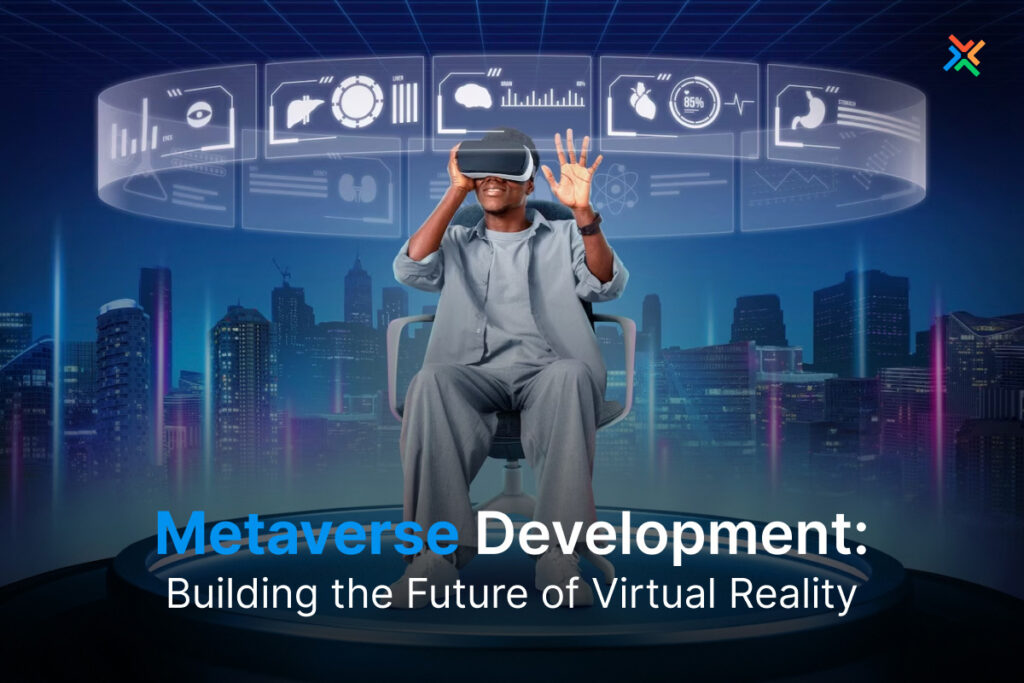
The Future Is Not Replacing Music—It’s Expanding It
Some people imagine the metaverse as a replacement for traditional music experiences.
In reality, immersive technology simply adds new creative possibilities.
Albums, concerts, and streaming will continue to exist.
What changes is the number of ways audiences can experience music.
Artists will have opportunities to build interactive worlds where sound responds to movement, emotion, and participation.
Music becomes something listeners inhabit rather than simply consume.
Preparing for the Next Generation of Audio
As VR, AR, and mixed reality become more accessible, immersive audio will increasingly move from experimental projects into mainstream entertainment.
Creators who begin exploring spatial sound today will be well positioned for tomorrow’s creative landscape.
The future belongs to musicians who are willing to think beyond speakers, beyond headphones, and beyond traditional recording formats.
Tomorrow’s audience will not only listen to music.
They will step inside it.
Built for the Next Generation of Immersive Audio
Our platform is designed with the future of interactive sound in mind. It supports modern spatial audio workflows and integrates seamlessly with leading VR, AR, and immersive production environments, allowing creators to build experiences that extend far beyond traditional stereo playback.
Whether you’re producing music for virtual concerts, interactive installations, video games, or augmented reality applications, the platform provides the flexibility and performance needed to create dynamic, responsive soundscapes. Advanced audio processing, low-latency performance, and compatibility with contemporary immersive audio standards ensure your projects are ready for the next generation of digital experiences.
As music continues to evolve beyond the limits of conventional media, our technology helps creators transform sound into an interactive experience—one that audiences can explore, feel, and remember.