Music Beyond Code: How Technology Is Breaking Creative Barriers
For centuries, creating music required years of formal education, deep knowledge of music theory, and access to expensive instruments or professional recording studios. While these traditional skills remain valuable, today’s creative landscape looks remarkably different. Digital technology has transformed music production into an accessible art form, allowing anyone with passion and curiosity to bring their ideas to life.
From intuitive digital audio workstations (DAWs) and virtual instruments to AI-assisted workflows and cloud collaboration, modern music technology is removing technical barriers and empowering a new generation of creators. The focus is shifting away from mastering complex processes toward expressing ideas, emotions, and individuality.
The Democratization of Music Creation
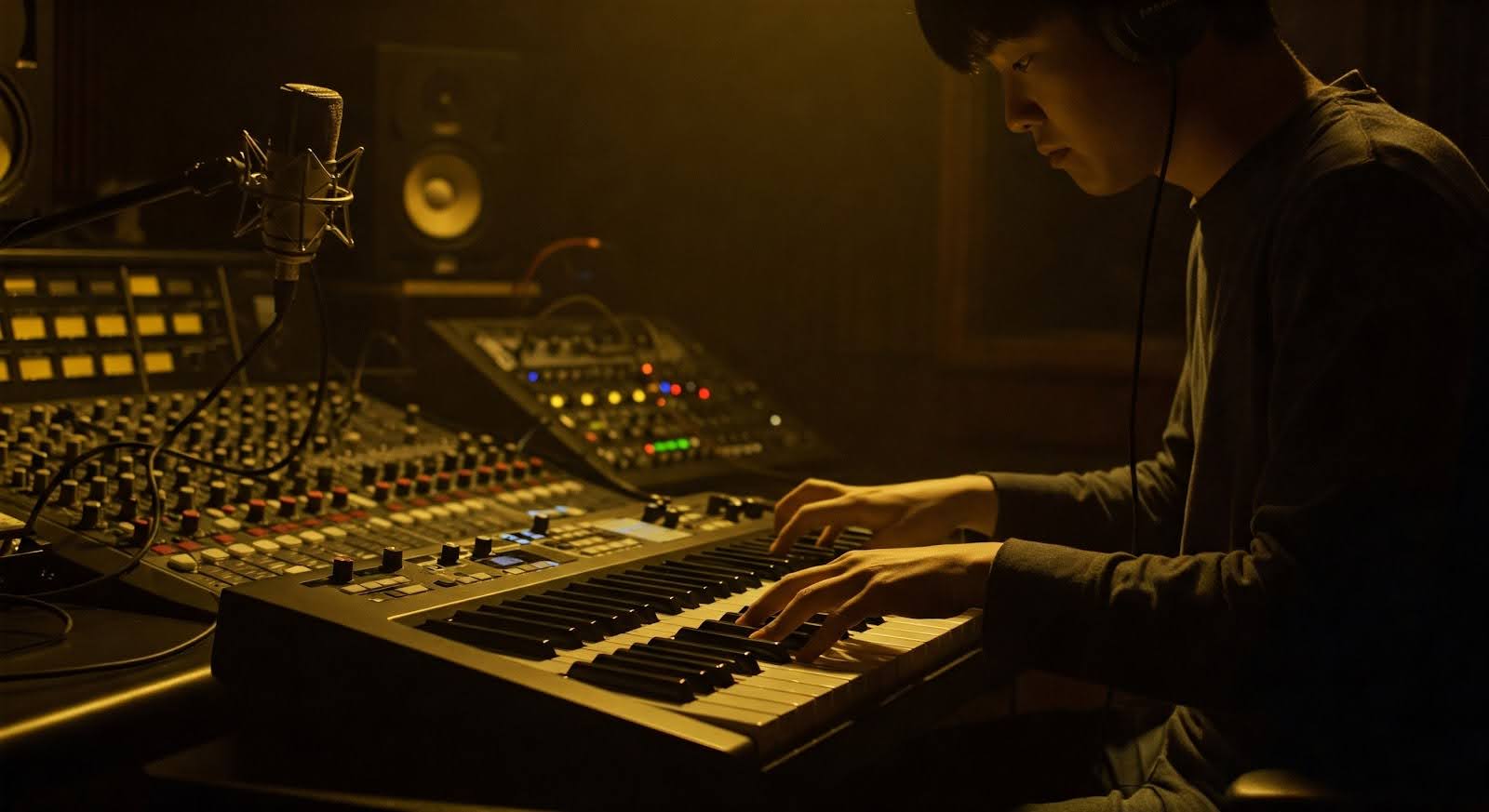
Not long ago, producing a professional-quality track required thousands of dollars in equipment and countless hours in a commercial studio. Today, a laptop, a pair of headphones, and the right software can provide access to production tools that rival those used by world-class artists.
This democratization has opened the door for:
- Independent musicians
- Bedroom producers
- Content creators
- Film composers
- Podcasters
- DJs
- Students and hobbyists
Creative expression is no longer limited by geography, budget, or formal education.
Creativity No Longer Depends on Reading Sheet Music
One of the biggest misconceptions about music production is that every producer must understand traditional music notation.
Modern production environments emphasize experimentation over theory. Features such as:
- Piano roll editors
- MIDI sequencing
- Visual automation
- Loop-based composition
- Smart chord generators
- Scale assistants
allow creators to compose harmonically rich music using intuitive visual interfaces rather than sheet music.
Many successful producers create chart-topping tracks primarily by listening, experimenting, and refining their ideas.
Technology Removes Technical Friction
Every creative process contains repetitive tasks that interrupt inspiration.
Examples include:
- Organizing project files
- Routing audio channels
- Matching gain levels
- Synchronizing tempos
- Editing timing inconsistencies
- Managing plugin chains
Modern production tools automate much of this technical work, allowing musicians to spend more time making creative decisions instead of performing repetitive adjustments.
Technology becomes an invisible assistant rather than the center of attention.
AI Is Becoming a Creative Partner
Artificial intelligence has introduced a new layer of efficiency into music production.
Today’s AI tools can help with:
- Generating chord progressions
- Suggesting melodies
- Separating audio stems
- Cleaning vocal recordings
- Removing background noise
- Speeding up mixing workflows
- Organizing sample libraries
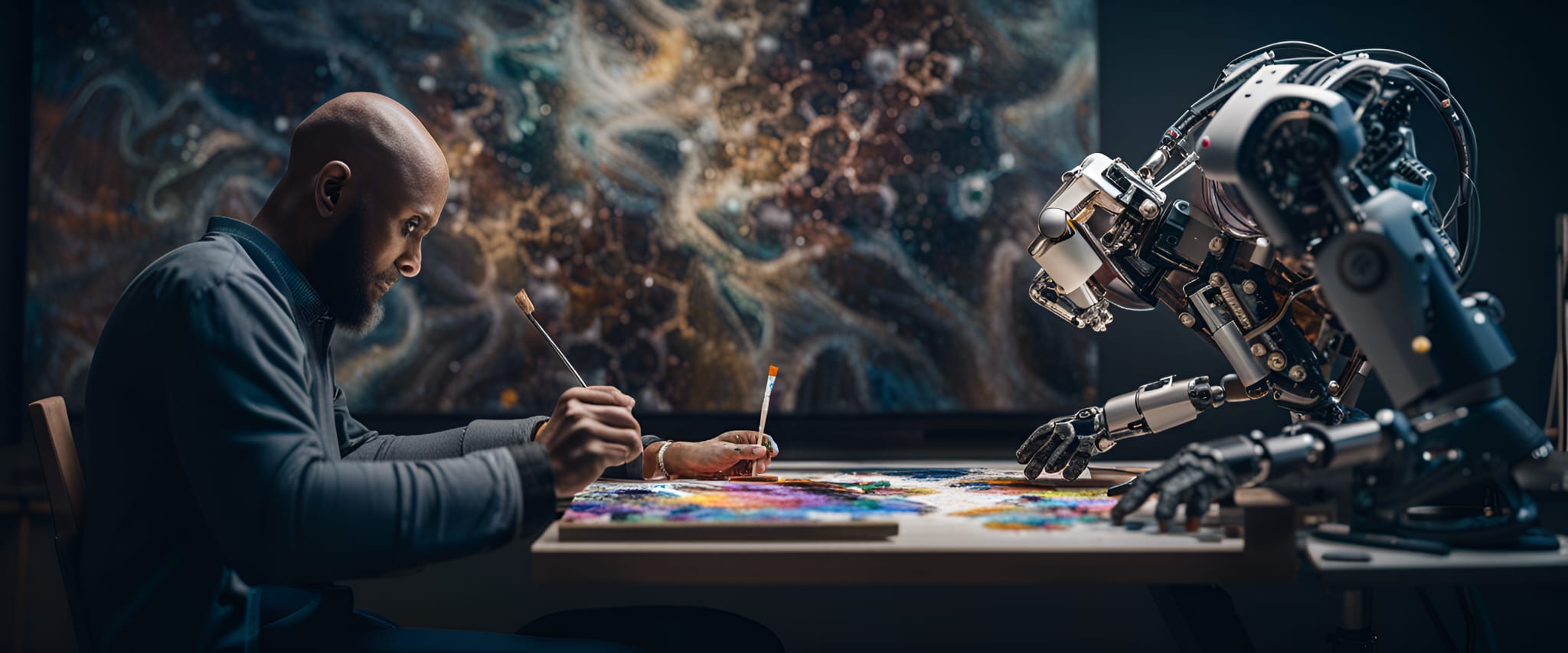
Importantly, AI does not replace creativity—it accelerates the production process by handling repetitive or time-consuming tasks.
The artist remains responsible for emotion, storytelling, and artistic direction.
More Time for Inspiration
Every producer knows the feeling of losing a great musical idea while troubleshooting technical issues.
By reducing workflow complexity, modern music technology helps preserve creative momentum.
Instead of thinking about software menus or hardware configuration, artists can stay immersed in:
- Writing melodies
- Building textures
- Experimenting with rhythm
- Designing sounds
- Recording performances
When technology fades into the background, inspiration takes center stage.
The Rise of Visual Music Production
Music production has become increasingly visual.
Waveforms, automation curves, color-coded tracks, and graphical effect interfaces make complex audio concepts easier to understand.
Visual workflows help beginners learn faster while giving experienced producers greater precision.
Rather than memorizing technical parameters, creators interact with sound in an intuitive and artistic way.
Collaboration Without Borders
Technology has also changed how musicians work together.
Cloud-based collaboration allows artists from different countries to create music in real time.
A producer in Berlin can build a beat while a vocalist in Tokyo records vocals and a guitarist in São Paulo contributes instrumental layers—all within the same project.
Creative collaboration is no longer constrained by physical location.
Accessibility Encourages Diversity
Lower barriers to entry mean more voices are entering the music industry.
Artists from different cultures, languages, and musical traditions now have access to professional production tools.
This diversity has fueled entirely new genres by blending influences that previously rarely intersected.
Technology has expanded not only who can create music but also what music can become.
The Future Belongs to Human Creativity
Despite rapid technological progress, audiences continue to connect most deeply with authentic artistic expression.
People remember songs because of:
- Emotion
- Storytelling
- Personality
- Originality
- Imperfection
- Human connection
Technology can enhance creativity, but it cannot manufacture genuine artistic identity.
The tools may evolve, but meaningful music will always begin with a human idea.
Finding the Balance Between Technology and Expression
The most successful creators understand that technology should support creativity—not dictate it.
Learning new software is valuable, but learning how to communicate emotion remains even more important.
Rather than chasing every new feature, musicians benefit most from mastering workflows that allow them to capture inspiration quickly and naturally.
When technology becomes transparent, creativity becomes limitless.
How Our Technology Helps Creators Focus on What Matters
Our platform is designed around a simple philosophy: technology should remove obstacles, not create them. By automating repetitive production tasks and streamlining complex workflows, it gives musicians more freedom to focus on composing, performing, and experimenting with sound.
Whether you’re sketching your first melody or producing a complete album, intelligent workflow automation minimizes technical distractions while preserving complete creative control. Flexible tools adapt to your personal style instead of forcing you into rigid production methods.
The result is a production environment where inspiration flows naturally, routine processes happen effortlessly, and every creator has the freedom to transform ideas into music—regardless of technical background or formal musical training.