Artificial Intelligence vs. Human Expression: Who Will Win in the Studio of the Future?
Artificial intelligence has become one of the most discussed topics in modern music production. AI can generate melodies, create harmonies, mix tracks, remove background noise, and even compose complete songs in a matter of seconds. These remarkable capabilities have sparked an ongoing debate: Will artificial intelligence eventually replace human musicians and producers?
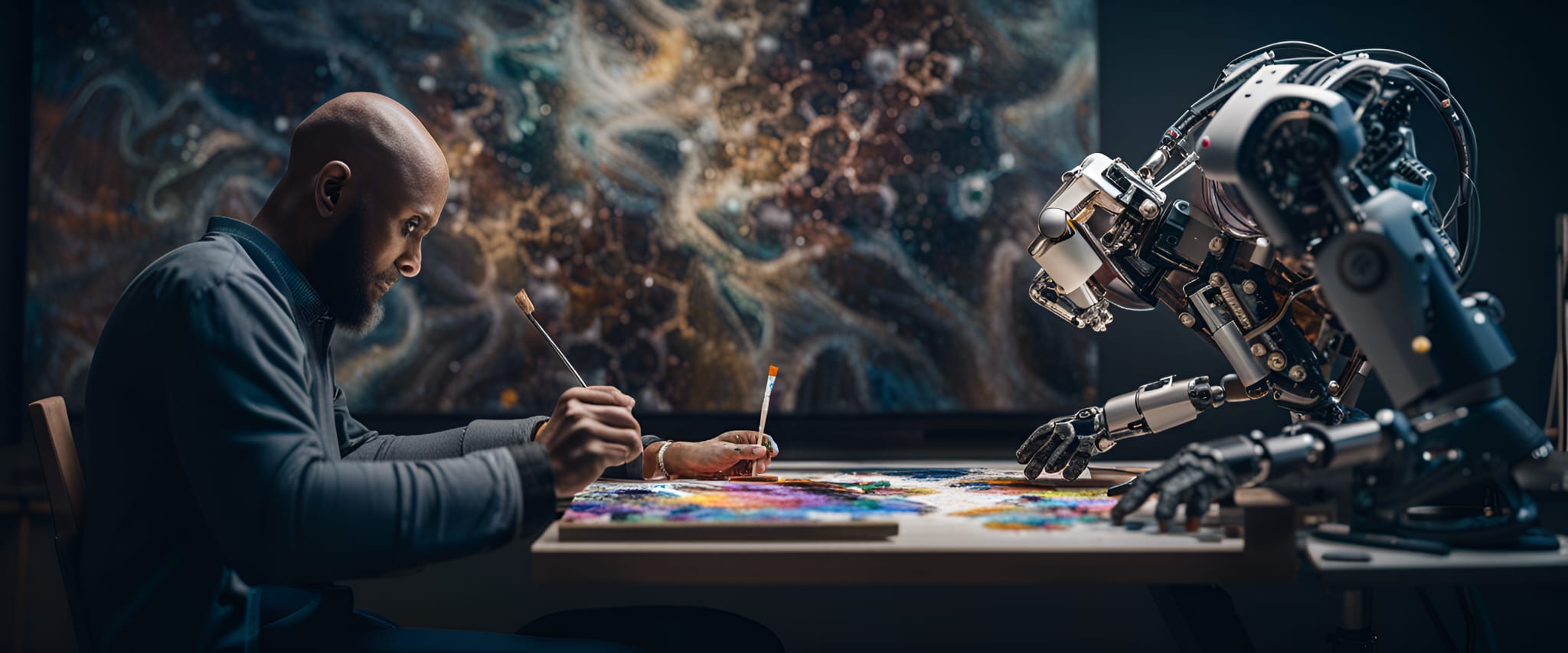
While AI is transforming the way music is created, the future of the recording studio is unlikely to be a competition between humans and machines. Instead, it will be defined by collaboration. Technology can accelerate workflows and inspire new ideas, but genuine artistic expression remains uniquely human.
The Rise of AI in Music Production
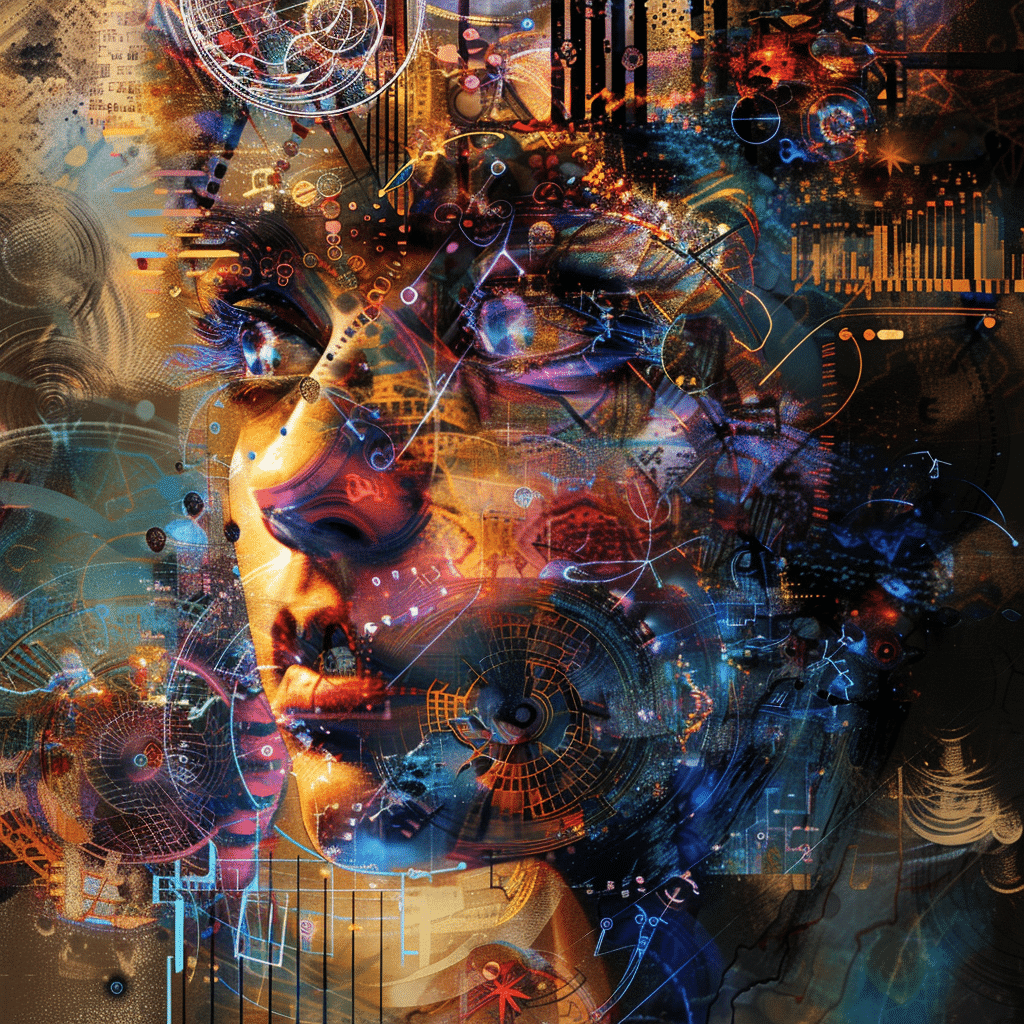
Over the past few years, artificial intelligence has evolved from a niche research topic into a practical production tool used by musicians around the world.
Today’s AI-powered solutions can:
- Generate chord progressions
- Suggest melodies
- Create drum patterns
- Separate stems from mixed recordings
- Master tracks automatically
- Enhance vocal recordings
- Organize sample libraries
- Assist with sound design
Tasks that once required hours of manual work can now be completed in minutes, allowing artists to spend more time on creativity rather than technical execution.
What AI Does Best
Artificial intelligence excels at recognizing patterns and processing enormous amounts of information.
This makes it particularly effective for:
Repetitive Tasks
Editing dozens of vocal takes, aligning drum tracks, or organizing thousands of samples can be automated with remarkable efficiency.
Technical Precision
AI can quickly detect clipping, frequency conflicts, timing inconsistencies, and other technical issues that affect sound quality.
Speed
Need ten different harmonic variations or multiple mix suggestions? AI can generate them almost instantly.
Inspiration
Many producers use AI as a brainstorming partner, exploring musical ideas they might never have considered on their own.
In these areas, artificial intelligence is becoming an indispensable studio assistant.
Where Human Creativity Still Leads
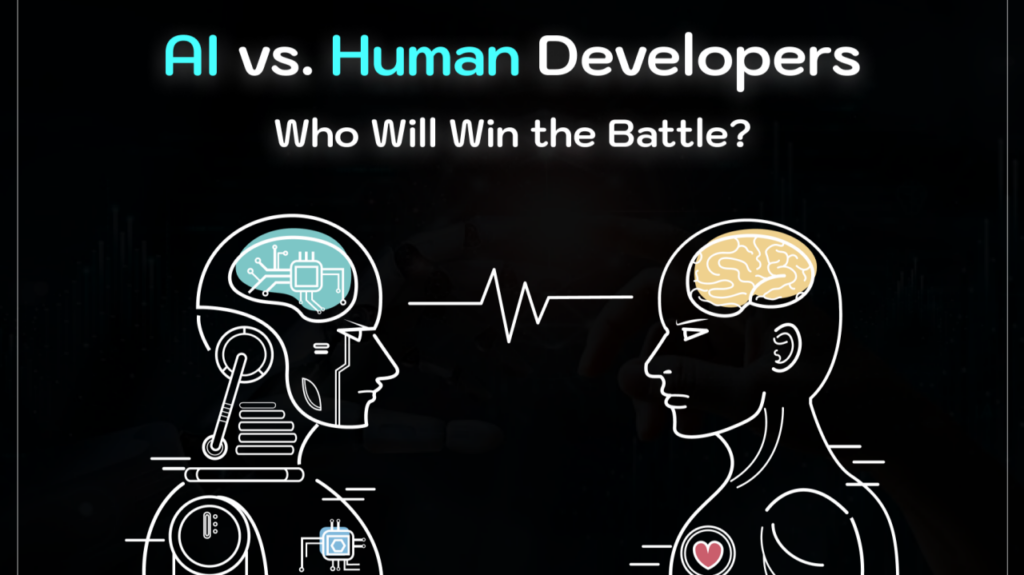
Despite its impressive capabilities, AI does not create music the way humans do.
People compose because they have experiences, emotions, memories, and stories they want to share. Every performance carries subtle details shaped by personality, intuition, and lived experience.
Human musicians bring qualities that algorithms cannot truly replicate:
- Emotional vulnerability
- Personal storytelling
- Cultural identity
- Creative risk-taking
- Imperfection that feels authentic
- Intuitive decision-making
These elements often define the music that resonates most deeply with listeners.
Emotion Cannot Be Programmed
A technically perfect performance is not always the most memorable one.
Many legendary recordings contain slight imperfections:
- Notes played slightly ahead or behind the beat
- Emotional vocal cracks
- Unexpected dynamic shifts
- Improvised moments
- Spontaneous studio decisions
These “flaws” often become the defining characteristics of a song.
AI can imitate musical styles, but it cannot genuinely experience heartbreak, joy, hope, fear, or nostalgia—the emotions that inspire timeless music.
The Studio of the Future Is Collaborative
Rather than replacing artists, AI is changing the role of technology within the creative process.
Imagine a future production workflow where AI:
- Organizes projects automatically
- Suggests arrangement ideas
- Handles technical cleanup
- Optimizes recording settings
- Generates reference mixes
- Assists with sound design
Meanwhile, the producer focuses on:
- Artistic direction
- Emotional impact
- Musical storytelling
- Performance
- Creative experimentation
Technology becomes a collaborator instead of a competitor.
Why Physical Performance Still Matters
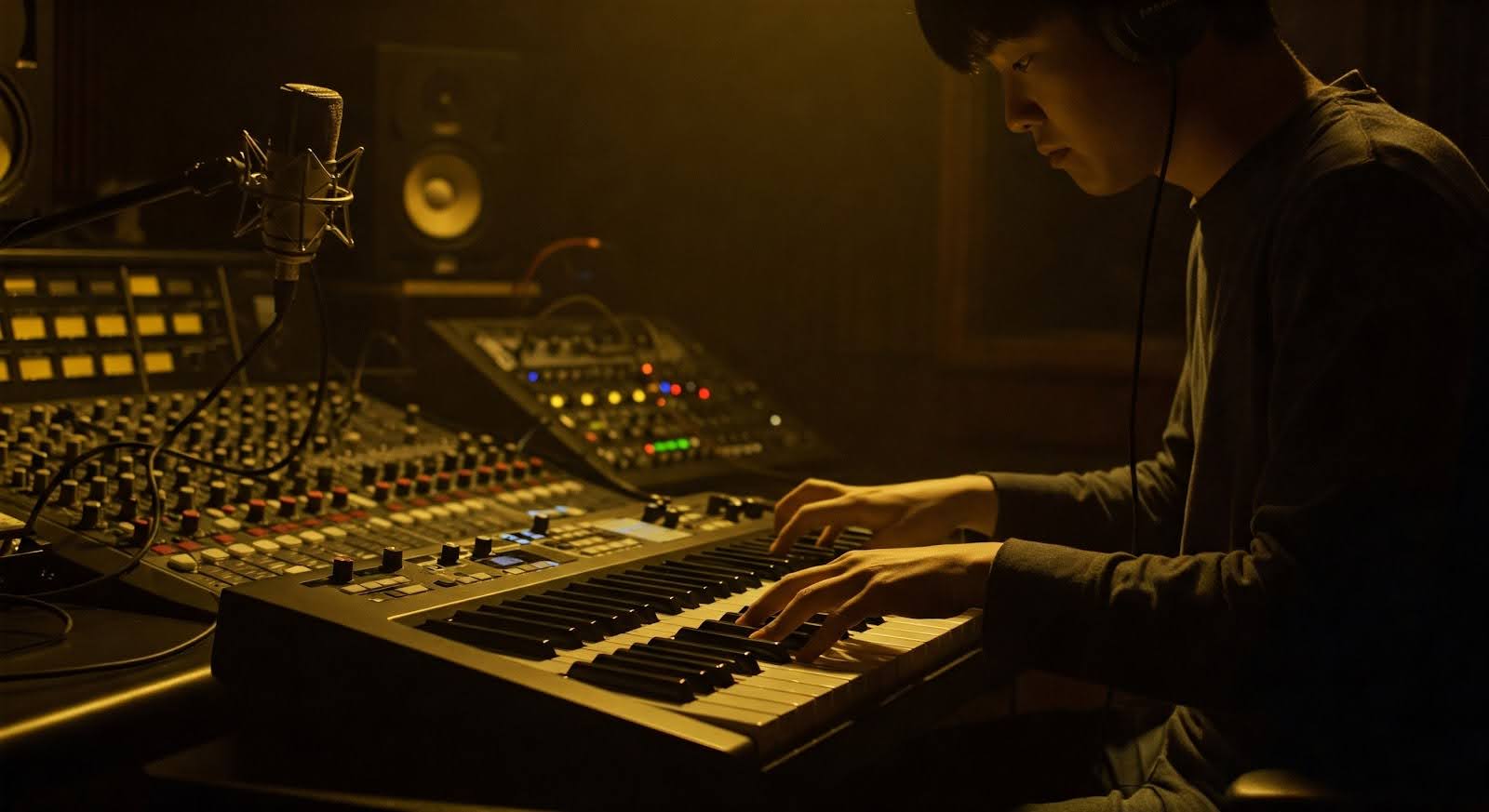
Music is more than notes—it is gesture, touch, and movement.
The pressure applied to a key, the timing of a drum hit, or the subtle modulation of a performance carries emotional information that listeners perceive instinctively.
The physical interaction between musician and instrument creates countless expressive nuances that define an artist’s unique style.
No algorithm can fully reproduce the spontaneity of a live performance shaped by human instinct.
Creativity Is More Than Prediction
AI generates content by identifying statistical relationships within existing data. It predicts what is likely to come next based on patterns it has learned.
Artists, however, often create by breaking expectations.
Some of the most influential musical innovations emerged because someone ignored established conventions:
- Unusual song structures
- Experimental sound design
- Unexpected rhythmic choices
- New performance techniques
- Cross-genre influences
True innovation often begins where prediction ends.
Technology Should Amplify Creativity
The most valuable creative tools have always empowered artists rather than replacing them.
From synthesizers and samplers to digital audio workstations and MIDI controllers, every technological breakthrough initially raised concerns before becoming an accepted part of music production.
Artificial intelligence represents the next stage of this evolution.
Its greatest value lies in helping creators:
- Work faster
- Explore more ideas
- Eliminate repetitive tasks
- Improve technical quality
- Stay focused on artistic expression
When used thoughtfully, AI expands creative possibilities instead of limiting them.
The Future Belongs to Human–Machine Collaboration
The question is no longer whether AI belongs in the recording studio—it already does.
The real challenge is learning how to integrate intelligent technology without losing the authenticity that makes music meaningful.
Artists who embrace technology while preserving their unique creative voice will be best positioned to shape the next generation of music.
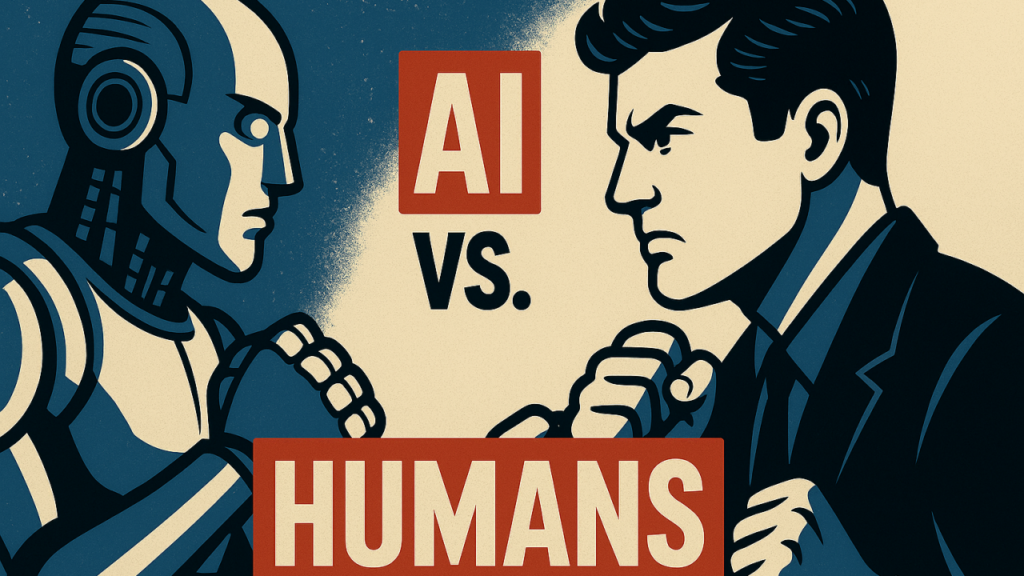
The future of music is not artificial intelligence versus human expression.
It is artificial intelligence empowering human expression.
Bridging Digital Intelligence and Human Performance
Our platform is designed to combine the efficiency of intelligent digital technology with the authenticity of hands-on musical performance. Rather than replacing the artist, it enhances the creative process by automating routine production tasks while preserving every expressive detail of live interaction.
Responsive controls, intuitive workflows, and advanced processing work together to support spontaneous creativity without interrupting it. Every touch, gesture, and performance nuance remains at the center of the musical experience, while intelligent tools operate seamlessly in the background.
The result is a creative environment where technology serves the artist—not the other way around—allowing musicians to focus on what no algorithm can replicate: genuine emotion, individuality, and human expression.